

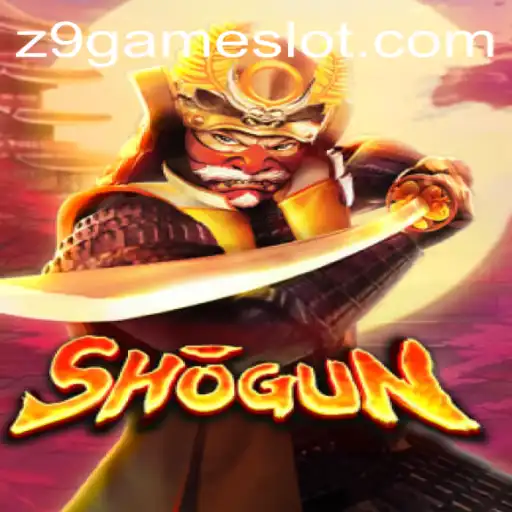

Dive into the intricate world of Shogun, a captivating strategy game that challenges players in a historical setting.
Shogun: A Strategic Exploration in Gaming
In the ever-evolving landscape of board games, Shogun stands out as a remarkable entry that combines historical intrigue with strategic depth. Set in feudal Japan, Shogun allows players to embody powerful warlords, vying for supremacy across the provinces. Developed by the renowned game company z9game, this game offers both seasoned strategy enthusiasts and newcomers a thrilling experience filled with tactical decision-making and dynamic gameplay.
Introduction to Shogun
Released amidst a resurgence of interest in historically-themed games, Shogun has carved a niche for itself by offering a blend of historical authenticity and innovative game mechanics. As the world becomes increasingly interconnected, games like Shogun provide a window into different cultures and eras, fostering a deeper understanding of global history through the lens of entertainment.
The backdrop of Shogun is the Sengoku period, an era characterized by social upheaval, political intrigue, and near-constant military conflict in Japan. Players take on the roles of daimyo, powerful feudal lords who must manage resources, form alliances, and wage war to achieve dominance. The authenticity of the game is further enhanced by its rich artwork and detailed components, which transport players into the heart of 16th-century Japan.
Game Description and Mechanics
Shogun is a game that prioritizes strategic planning and foresight, requiring players to carefully manage their resources and armies. The board is divided into multiple provinces, each with its own unique characteristics and strategic importance. Players must balance the acquisition of territories with the maintenance of their existing holdings, ensuring that their forces are adequately spread across their domain.
A key aspect of Shogun is its innovative battle system, which eschews traditional dice-rolling for a more deterministic approach. Combat outcomes are influenced by the number and type of troops involved, as well as the strategic decisions made by players before the battle. This mechanic adds a layer of unpredictability while still rewarding careful planning and tactical acumen.
The game progresses through a series of rounds, each representing a season in the Sengoku period. During each round, players engage in actions such as deploying troops, building fortifications, and collecting resources. The changing seasons introduce additional variables, such as harvest productivity in autumn or the potential for reduced mobility during winter.
Rules and Strategies of Shogun
One of the most compelling aspects of Shogun is its emphasis on strategic diversity. There is no single path to victory, and players must adeptly adapt their strategies to both their current circumstances and the actions of their opponents. The use of alliances can be a double-edged sword, offering both protection and the risk of betrayal.
Players begin the game by selecting a daimyo and receiving a unique set of starting resources. This initial allocation can significantly shape a player's early strategy, influencing which provinces they might target first and how they choose to interact with other players. The game’s dynamic nature means that players must remain flexible, responding to unexpected developments and seizing opportunities as they arise.
Resource management is another crucial element of the game. Players must carefully manage their economies, balancing expenditures on military campaigns with investments in infrastructure to support future growth. Each decision carries potential risks and rewards, and successful players are those who can continuously evaluate their strategy and make informed adjustments when necessary.
Current Events and Shogun's Place in Gaming
The appeal of Shogun has only grown in recent years, as board games experience a renaissance driven by a combination of nostalgia and a desire for immersive, communal experiences. Despite the rise of digital gaming, traditional board games offer a tactile and social experience that technology struggles to replicate.
The advent of online platforms and remote play has allowed Shogun to reach an even wider audience. Gamers from across the globe can now connect to engage in virtual campaigns, further enhancing the game's accessibility and appeal. This has coincided with a broader cultural interest in strategic and historical themes in entertainment, reflected in the popularity of series such as "The Queen's Gambit" and various historical dramas that bring the past to life in vivid detail.
The collaboration between players, facilitated by the game's intricate mechanics, mirrors current discussions around international relations and the importance of diplomatic negotiation in global affairs. As players negotiate alliances and navigate conflicts within Shogun, they engage in a simulation of real-world strategies, enriching their understanding of complex geopolitical dynamics.
In conclusion, Shogun represents not only a triumph of game design but also a cultural touchstone that resonates with players today. As contemporary events continue to shape our understanding of history and strategy, games like Shogun provide a unique platform for both entertainment and education, inviting players to step into the shoes of the past and challenge themselves in their quest for dominance.